Sheetal Vora, Assoc. AIA
Architecture is often defined by movement between places, systems, and ways of seeing. Moving to United States eight years ago to pursue my master’s degree marked a shift into a new country, city, culture, and system of practice that expanded and reshaped how I engaged with the discipline. That transition became the foundation for building a career in Chicago, where I gradually began to understand how architecture is shaped not only by design intent, but also by collaboration, context, and community.
Over time, I realized how important it is to find leadership opportunities that recognize the diverse experiences we bring into the profession. When I discovered AIA’s Next to Lead program, a national initiative that brings together ethnically diverse women in architecture to explore leadership in a more intentional way, I felt an immediate connection to its purpose and community.
After completing my master’s degree in architecture from the University of Illinois, Urbana – Champaign, I began practicing in Chicago and gradually expanded my involvement in mentorship and advocacy. Along with my professional work, I engaged with AIA Chicago’s Bridge and Wing Mentorship Programs, ACE Mentorship, and other broader efforts focused on equity and emerging professionals within the field. These experiences reinforced that leadership in architecture is shaped not only by technical expertise but also by the ability to contribute to culture, collaboration, and inclusion.
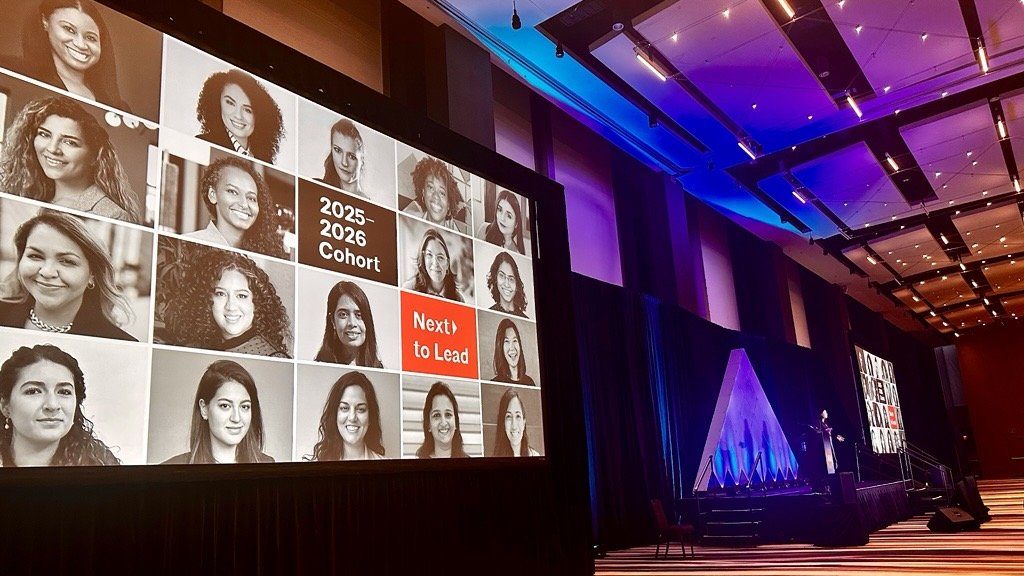
The Journey
My decision to apply to the Next To Lead program was shaped by both professional alignment and personal reflection. It offered a space where ethnically diverse women in architecture could learn from one another, exchange perspectives, and grow into leadership roles with intentional support. The combination of mentorship and shared experience felt especially relevant at this stage of my career.
The experience has been grounding and expansive. One of the most meaningful aspects has been the cohort itself, engaging with women who bring different cultural backgrounds, career paths and lived experiences into the conversation. It reinforced that leadership in architecture is not a linear path, but a practice shaped by how we engage, listen, and contribute within our environment. It also encouraged me to think beyond individual projects toward the broader culture we help shape within the profession.
As the cohort concluded at AIA26 in San Diego, the conference became a moment of reflection on both individual and collective growth. A strong sense of community formed over time, built through consistent dialogue, trust, and shared learning.

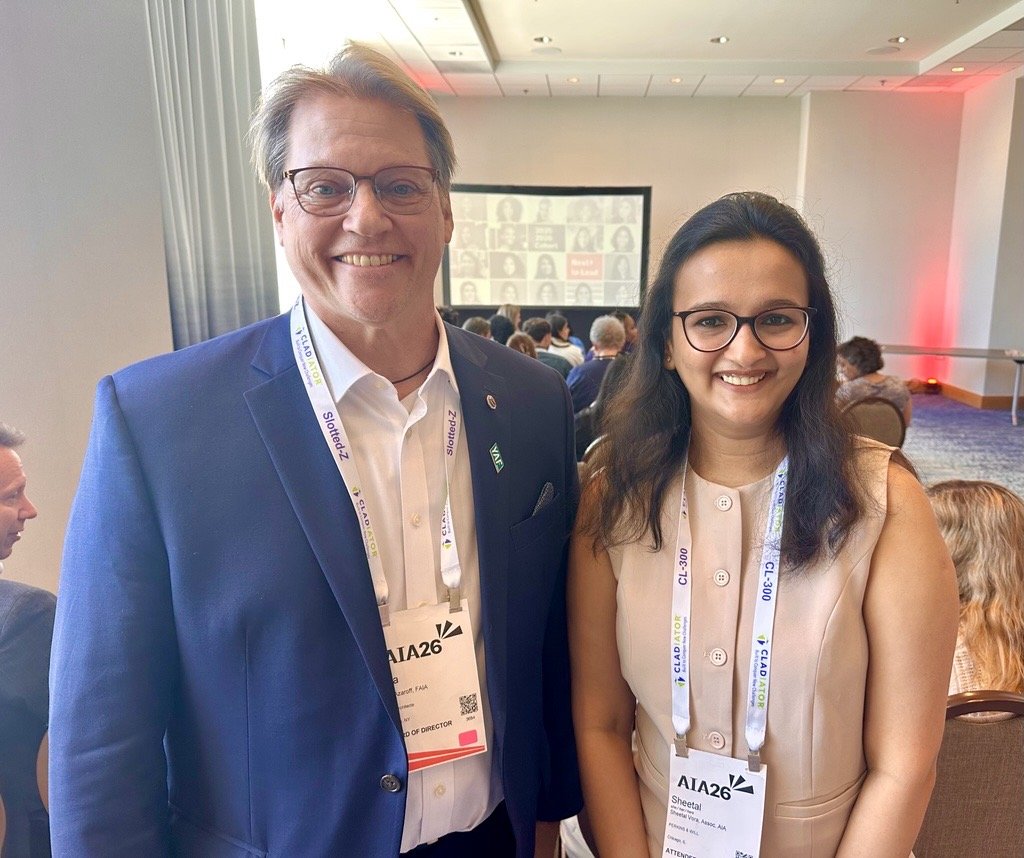
The Process
For those considering applying, my advice is to lead with authenticity. The application is not about presenting a linear or idealized narrative. It is about articulating the experiences that have shaped your perspective and the values that will guide your work forward.
Being open about transitions, challenges and influences helps clarify how you see the profession and your place within it. For me, reflecting on my background, my move across cultures and my engagement with mentorship helped me better understand why leadership matters. Programs like Next to Lead seek individuals who are thoughtful, curious, and committed to growth in both their careers and their contributions to the profession.
The impact
The Importance of Next to Lead program lies in how it expands the definition of leadership in architecture by intentionally creating space for ethnically diverse women, strengthening the profession through a wider range of perspectives and voices. Its impact extends beyond the participants. Through conversations around leadership and representation, I have become more intentional in how I engage with students and emerging professionals, and sharing my journey has opened space for more honest dialogue, around non-linear career paths in architecture, reinforcing that coming from a different culture or country does not diminish one’s place in the profession but can instead become a source of strength in shaping how we see and contribute to architecture.
I have come to understand that leadership is less about meeting expectations and more about meaningful contributions. The ripple effect of these conversations, along with the presence of diverse voices in leadership spaces, continues to shape how emerging professionals understand their own potential.
As the first participant from Illinois selected for this national program, I feel both grateful and motivated to keep contributing to that broader impact, and to encourage others to see leadership as accessible, attainable, and already within reach.
To learn more about this program and to apply, visit AIA.org/Resource-Center/Next-Lead